
Introduction
Payment solutions are the backbone of modern commerce. As businesses expand across physical and digital platforms, the ability to process transactions securely and efficiently has become essential. Customers expect convenience, speed, and trust when making payments, whether at a retail counter, through an e‑commerce site, or via mobile devices. For organizations, payment solutions are not just about technology—they are about building confidence, ensuring compliance, and supporting growth.
This article explores the fundamentals of payment solutions, their benefits, best practices, common mistakes, and future trends. By understanding these elements, businesses can design systems that meet customer expectations and strengthen financial operations.
What are Payment Solutions?
Payment solutions refer to the hardware, software, and systems that enable businesses to accept and process transactions. They include point‑of‑sale (POS) terminals, online gateways, mobile devices, and fraud protection tools.
Key components include:
- POS terminals and smart devices
- eCommerce and virtual processing
- Security suites
- Flexible billing and reporting
Benefits of Payment Solutions
Convenience for Customers
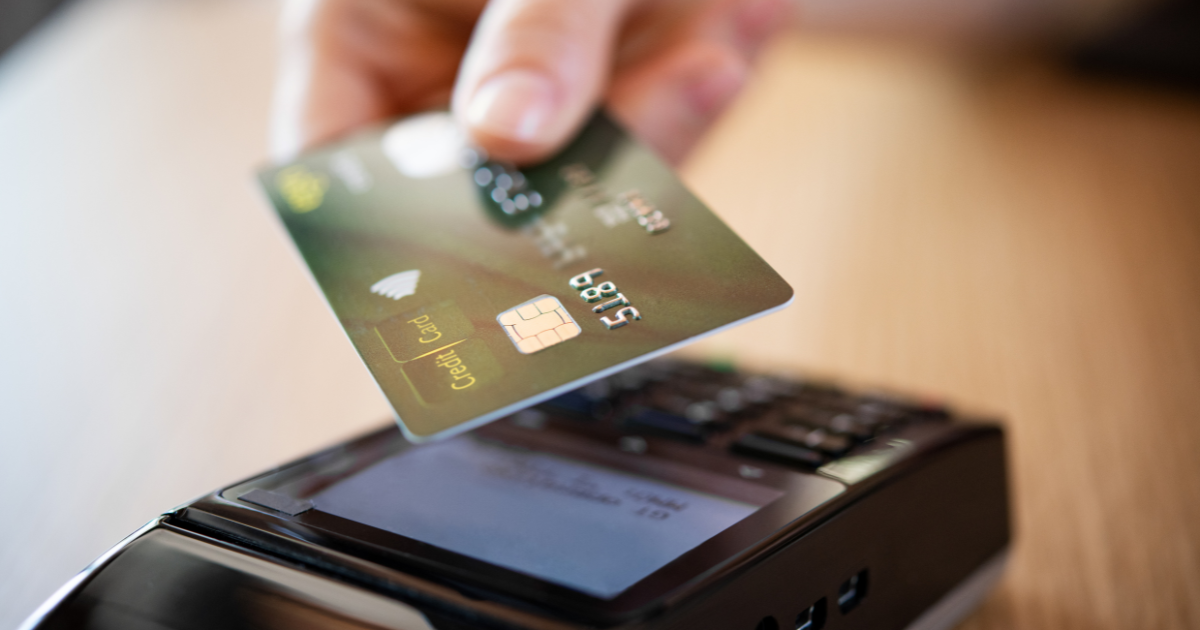
Modern payment systems allow customers to pay using tap, chip, swipe, or mobile wallets. This flexibility improves customer satisfaction and reduces friction at checkout.
Enhanced Security
Encryption, tokenization, and compliance with standards such as PCI‑DSS protect sensitive data. Secure systems reduce the risk of fraud and breaches.
Business Flexibility
Payment solutions integrate seamlessly across industries, from retail and food service to healthcare and professional services.
Faster Cash Flow
Features such as next‑day deposits and real‑time analytics keep businesses financially agile.
Scalability
Solutions grow with businesses, supporting startups as well as large enterprises.
Key Features of Modern Payment Solutions
POS Terminals and Smart Devices
POS terminals process in‑person transactions. Devices such as Ingenico, Clover, and Newland support tap, chip, swipe, mobile wallet, and EMV payments.
Security Suites
Comprehensive security suites provide breach coverage, compliance support, and encrypted transactions. Fraud protection tools help manage disputes and prevent unauthorized activity.
eCommerce and Virtual Processing
Online gateways integrate with platforms such as Shopify and WooCommerce. Hosted payment links, invoices, and virtual terminals enable remote and phone payments.
Flexible Billing and Reporting
Businesses can choose from flat‑rate, Interchange Plus, or MDR pricing models. Real‑time dashboards provide insights into transactions, helping organizations make data‑driven decisions.
Best Practices for Payment Systems
Ensure Compliance
Compliance with PCI‑DSS and other standards is essential for protecting customer data and avoiding penalties.
Use Secure Hardware and Software
Devices and platforms should be updated regularly to maintain security.
Offer Multiple Payment Options
Providing flexibility—such as mobile wallets and contactless payments—improves customer experience.
Integrate Analytics
Transaction dashboards help track performance, identify trends, and optimize operations.
Train Staff
Employees should understand how to use systems securely and handle disputes effectively.
Common Mistakes to Avoid
- Using outdated terminals: Older devices may lack modern security features.
- Ignoring compliance: Non‑compliance risks fines and breaches.
- Poor integration: Systems that do not sync with operations cause inefficiencies.
- Neglecting analytics: Without insights, businesses miss opportunities to optimize.
- Limited payment options: Restricting methods frustrates customers and reduces sales.
Case Example: Streamlining Payments for a Restaurant Chain
A growing restaurant chain needed faster, more secure payment processing. By adopting modern payment solutions:
- Mobile POS terminals were installed across all locations.
- Online ordering was integrated with Shopify.
- Next‑day deposits and real‑time analytics were enabled.
As a result, transactions became smoother, fraud risks decreased, and customer satisfaction improved.
Future Trends in Payment Solutions
Contactless Payments
Tap‑to‑pay continues to grow as customers prefer faster, touch‑free transactions.
Mobile Wallets and Super Apps
Digital wallets such as Apple Pay and Google Pay are becoming mainstream. Super apps may combine payments, messaging, and shopping in one platform.
AI‑Driven Fraud Detection
Artificial intelligence will enhance fraud detection, identifying suspicious activity instantly.
Blockchain and Cryptocurrency Payments
Blockchain technology offers secure, transparent transactions. Cryptocurrency payments are emerging as alternatives in certain industries.
Integration with Omnichannel Commerce
Payment solutions will increasingly align with physical stores, online platforms, and mobile apps, ensuring consistency across channels.
Conclusion
Payment solutions are more than technology—they are the foundation of customer trust and business growth. By focusing on security, compliance, flexibility, and analytics, organizations can design systems that meet customer expectations and support financial resilience.
For businesses seeking sustainable success, payment solutions provide a reliable, scalable, and essential framework. They are not simply tools for processing transactions—they are enablers of confidence, efficiency, and long‑term growth.